

Fibronasolaryngoscopy

Fibronasolaryngoscopy
Diagnosis by Fibronasolaryngoscopy
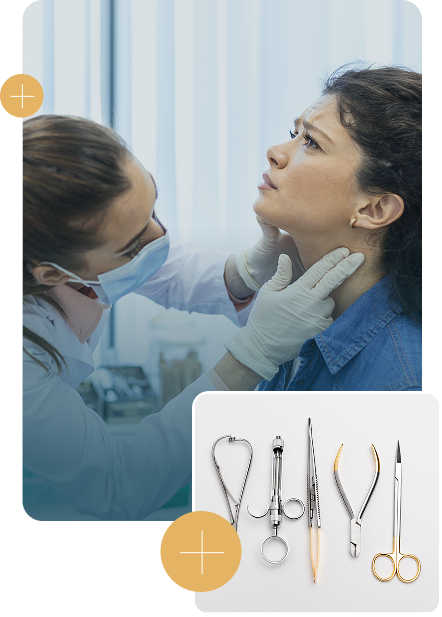
It is a procedure that involves examining the deep structures of the nose, throat, and larynx using a fiber optic scope. In most cases, the fibronasolaryngoscopy diagnostic examination is easily performed without any significant pain or discomfort. Occasionally, it may cause temporary irritation of the nose, usually minor bleeding, or nausea and vomiting in very sensitive individuals.
There is a very remote risk of spasms in the larynx, which causes the person to feel unable to breathe, similar to when one feels choked while eating. What most people describe as “the food went down the wrong way.”
To perform the procedure, the patient must remain seated. Topical anesthesia is applied to the mouth and throat to reduce the gag reflex that some people experience. After a few minutes, the tongue is pulled forward and the endoscope is inserted until the vocal cords are visible. You will be asked to say a few letters in a sustained manner and to breathe deeply while the images of the vocal cords are observed on a monitor.
For this exam, you must fast for at least two hours and not eat anything for half an hour after the exam. You must also inform your doctor if you are allergic to xylocaine, if you suffer from cardiovascular diseases such as arrhythmias, previous heart attacks, high blood pressure, or if you have a pacemaker, among other conditions. Nasofibrolaryngoscopy is indicated in cases of: dysphagia, swallowing disorders, apnea, gastroesophageal reflux, voice disorders, and foreign body sensation in the throat.