

Endoscopic evaluation of swallowing - FEES


Endoscopic evaluation of swallowing - FEES
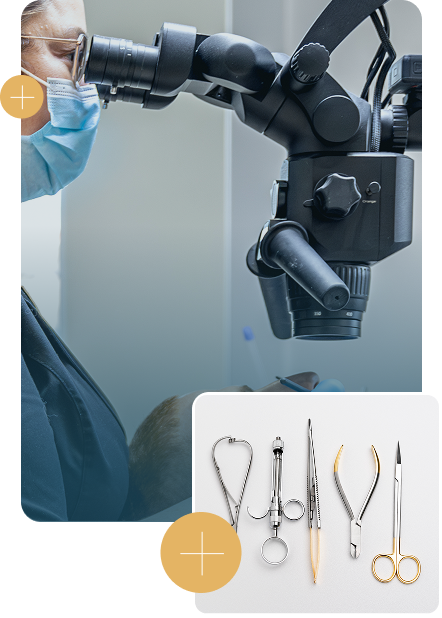
It is a diagnostic system that has been used for the past 15 years to evaluate swallowing in relation to aspiration and penetration, head posture, and bolus type in children and the elderly. Various pathologies have been evaluated, such as head and neck cancer, chronic obstructive pulmonary disease, post-radiochemotherapy complications, post-stroke conditions, and neurological disorders.
Procedure:
This examination is performed using a thin, flexible fiber optic tube that is inserted through the nose until it reaches the larynx.
A flexible laryngoscope is used to view the pharyngeal and laryngeal structures before, during, and after swallowing. This study is generally well tolerated and can be easily repeated. During the test, the device is inserted transnasally and advanced to allow visualization of the mucosal surface and movement of the base of the tongue, pharynx, and larynx, as well as bolus transit and airway protection. In the middle of normal swallowing, there is a 0.5-second blind period at the moment of epiglottic tilt and maximum pharyngeal closure, which prevents viewing of the entire swallow.
During the examination, the patient ingests a variety of foods and liquids with a colored contrast agent (blue dye) added to maximize visualization of the bolus. It provides visual feedback on aspiration and reliability between evaluators and intra-evaluators. It is excellent when using the Penetration-Aspiration Scale, regardless of the clinician's experience and the re-evaluation interval.
The procedure provides useful qualitative information on:
Morphology, presence of secretions and residue, aspiration and penetration, timing of swallowing onset, and residue clearance. Consensus on the number of swallows, consistency, and bolus volumes to be included in an FEES examination.
FEES can also be combined with air pulse sensory testing. This technique uses calibrated pulses of air emitted from the tip of the endoscope to test laryngopharyngeal sensation and assess involuntary closure of the vocal cords. This is considered a protective mechanism against aspiration called the laryngeal adductor reflex.