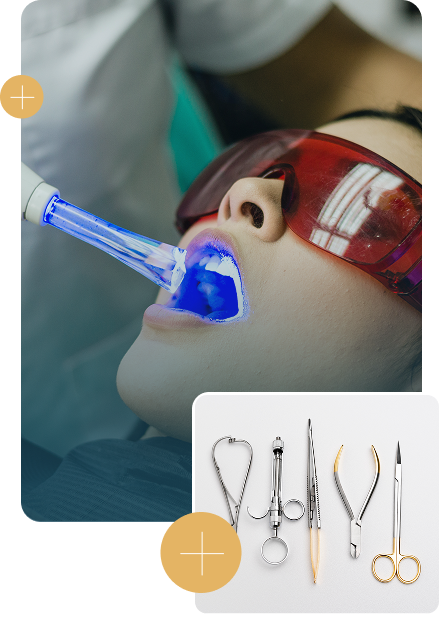
Definition of the procedure:
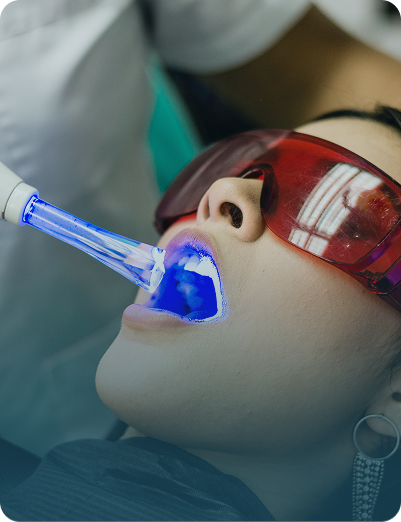
Laser therapy, a specialized procedure that refers to the therapeutic use of light emitted by laser equipment and absorbed by endogenous chromophores, to trigger biological reactions through photochemical or photophysical events. This procedure promotes physiological changes that trigger analgesic, anti-inflammatory, and healing effects in tissues.
Laser therapy consists of applying red or infrared light spectra to the affected tissue for a specific period of time (maximum 20 minutes). During the procedure, the light dose is carefully administered to optimize therapeutic results. Precision in the execution of the laser therapy procedure is essential to ensure its effectiveness in obtaining the desired therapeutic benefits. This procedure is performed on an outpatient basis and does not require anesthesia.
Uses:
- Oral mucositis caused by antineoplastic treatment (chemotherapy and/or radiotherapy).
- Protocol for the prevention of radiation-induced mucositis in the head and neck region
- Canker sores and traumatic ulcers
- Erosive lichen planus
- Burning mouth syndrome
- Pemphigus vulgaris
- DTM
- Paresthesias/neuralgias