
Nasolaryngoscopy
Nasolaryngoscopy
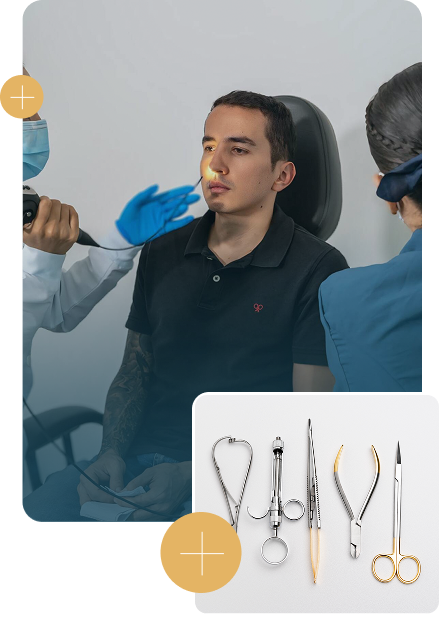
- OBJECTIVE: Evaluate the inside of the nose and pharynx and determine the cause of various diseases or disorders affecting these anatomical areas.
- RESPONSIBLE: ENT Specialist or Head and Neck Surgeon
INDICATIONS
In most cases, the examination is easily performed without any significant pain or discomfort. Occasionally, it may cause temporary irritation of the nose, usually minor bleeding, or nausea and vomiting in very sensitive individuals.
There is a very remote risk of spasms in the larynx, which causes the person to feel unable to breathe, similar to when one feels choked while eating. What most people describe as “the food went down the wrong way.”
For this test, you must fast for at least two hours and not eat anything for half an hour after the test. You must also inform your doctor if you are allergic to xylocaine, if you suffer from cardiovascular diseases such as arrhythmias, previous heart attacks, high blood pressure, or if you have a pacemaker, among other conditions.
PROCEDURE DESCRIPTION
Patient preparation: For this test, you must fast for at least two hours and not eat anything for half an hour after the test. You must also inform your doctor if you are allergic to xylocaine, if you suffer from cardiovascular diseases such as arrhythmias, previous heart attacks, high blood pressure, or if you have a pacemaker, among other conditions.
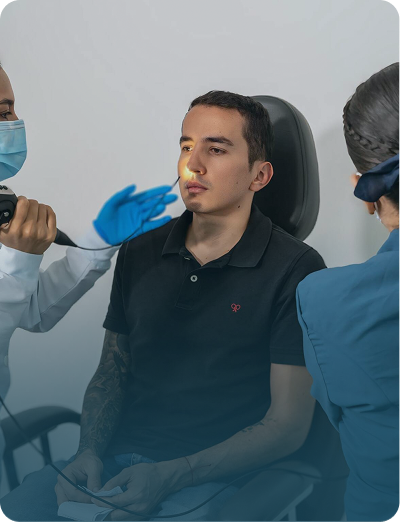
It is an endoscopic examination performed using a thin, flexible fiber optic tube that is inserted through the nose until it reaches the larynx. Nasofibrolaryngoscopy allows for an adequate assessment of the general condition of the larynx, the mobility of the arytenoid cartilages and vocal folds, the activity of the supraglottic structures, and laryngeal activities such as singing, whistling, coughing, swallowing, etc.